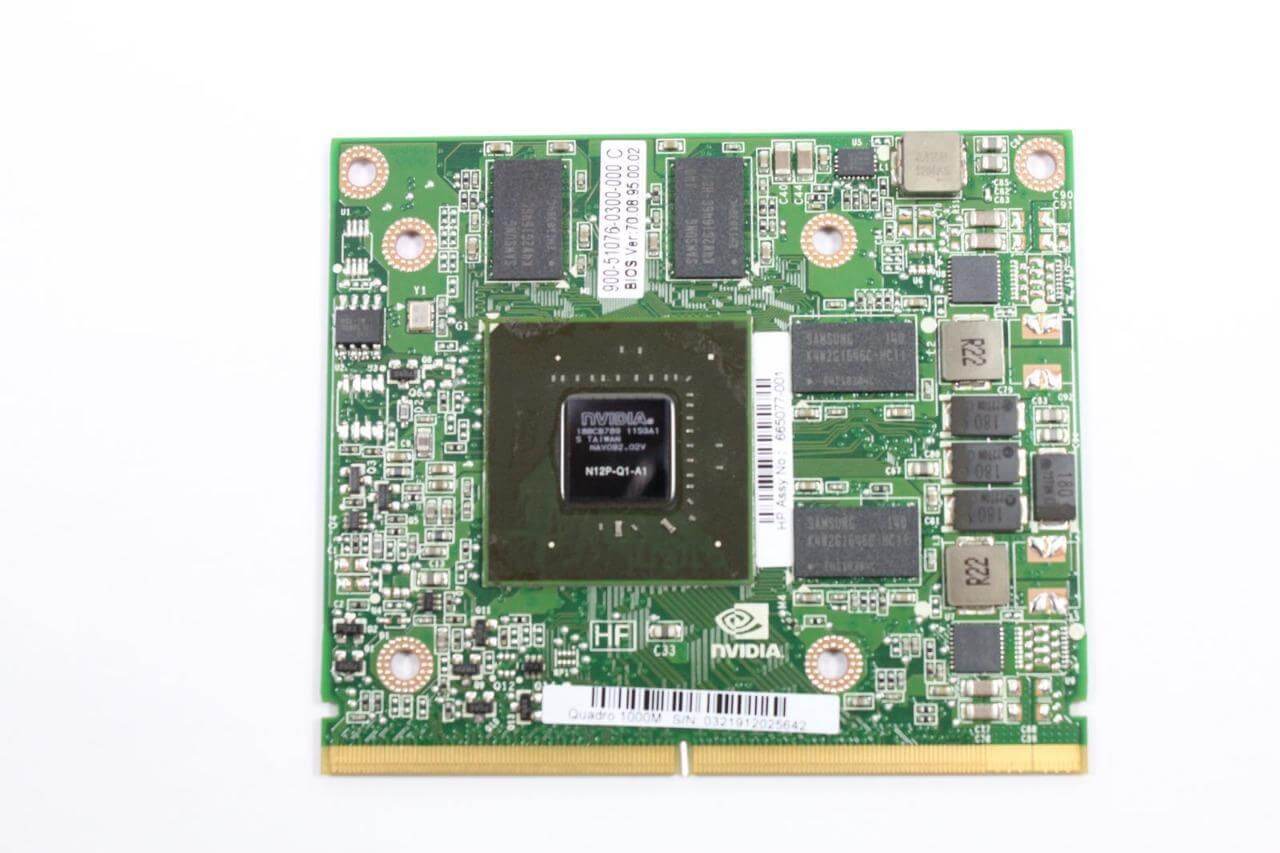
Description Graphics card display output options A graphics card display output refers to the ways in which a graphics card can connect to and display images on a monitor or screen. Different graphics cards may offer different output options, but most will have a variety of options that cater to different types of monitors and displays. Common graphics card display output options include: VGA (Video Graphics Array): A legacy analog output that is still found on some older graphics cards and monitors. It is a basic, low-resolution option. DVI (Digital Visual Interface): A digital video output that delivers high-quality video for modern monitors. HDMI (High-Definition Multimedia Interface): A digital audio/video interface that is commonly used to connect modern graphics cards to HDTVs and other high-definition displays. DisplayPort: A digital audio/video interface that is similar to HDMI, but with additional features like multi-monitor support and daisy-chaining. Thunderbolt: A high-speed, multi-use interface that can support video, audio, data, and power all in one cable. When choosing a graphics card, it is important to consider the types of display outputs that it offers, as well as the types of displays you plan to use with it. This will ensure that you can connect your graphics card to your monitor or display with the appropriate cable, and enjoy the best possible image quality. Graphics card maintenance and care tips Proper graphics card maintenance and care can help extend the lifespan of the card and ensure optimal performance. Here are some tips to help keep your graphics card in good condition: Keep your system clean: Dust and debris can accumulate on your graphics card and other components, leading to overheating and performance issues. Use compressed air or a soft brush to clean your system regularly. Monitor your temperatures: Graphics cards can generate a lot of heat, and if they get too hot, they can become damaged. Use software like MSI Afterburner to monitor your card’s temperature and adjust the fan speed or clock speeds to help keep the temperatures in check. Update your drivers: Graphics card drivers are updated regularly to fix bugs and improve performance. Make sure to download and install the latest drivers from the manufacturer’s website. Avoid overclocking: Overclocking can lead to increased performance, but it can also increase the risk of damage to your graphics card. If you do overclock, do so in small increments and monitor the temperatures closely. Avoid static electricity: Static electricity can damage your graphics card. To avoid this, touch a metal object to discharge any static before handling your card, and use an anti-static wristband when installing or removing the card. Don’t block your card’s fan: Make sure there is adequate airflow around your graphics card, and don’t obstruct the fan with cables or other components. Use quality components: Make sure to use a good quality power supply that is powerful enough to handle your graphics card’s power requirements, and use high-quality cables and connectors to avoid any potential power delivery issues. By following these tips, you can help keep your graphics card running smoothly and avoid any potential performance issues or damage. Performance benchmarks Performance benchmarks refer to a set of tests that are used to evaluate the performance of a graphics card. These tests are designed to measure how well the graphics card performs under different workloads and conditions, such as running high-end games or complex applications. The benchmarks are used to compare the performance of different graphics cards, and they can be used to determine which card is best suited for a particular use case. Some of the commonly used benchmarks for graphics cards include: 3DMark: A benchmarking tool that measures the graphics and processor performance of a system. It includes a variety of tests that simulate real-world workloads. Unigine: A benchmarking tool that tests the performance of a graphics card in a variety of scenarios, including gaming and professional applications. FurMark: A stress-test tool that stresses the graphics card to its limits to measure its stability and performance. Heaven: A benchmarking tool that measures the graphics performance of a system, with an emphasis on visual quality and realism. PassMark: A benchmarking tool that measures the performance of a system’s CPU, GPU, RAM, and storage. By running these benchmarks, users can determine the performance capabilities of their graphics card and compare it to other cards on the market. This information can help them make informed decisions when purchasing a graphics card for their system, based on their specific needs and budget. Key Features Type: Graphics Card Card Interface: Pci Express X16 Compatibility: PC Processor Graphic Processor: Nvidia Quadro 1000m. Ramdac Speed: 400 Mhz Memory / Technology Installed Memory: 2GB Memory Tech: GDDR3 SDRAM